

Making comics is not easy. It requires skills that are essentially interdisciplinary and can range from things like writing, drawing, coloring, photography, business, marketing, and even comedy.
Yet inside each and every one of us as artists there exists a need to tell a story, whether we are character designers, animators, writers, or illustrators. We all want to tell a story that is close to our hearts. In that regard, no other medium comes close to comics.
Comics unlike animations can take much less time to make, one person can easily do all the jobs needed to bring a comic to life, and in such a way it is the perfect tool to tell your next story. In fact, you don’t even need to be able to draw to make a good comic.
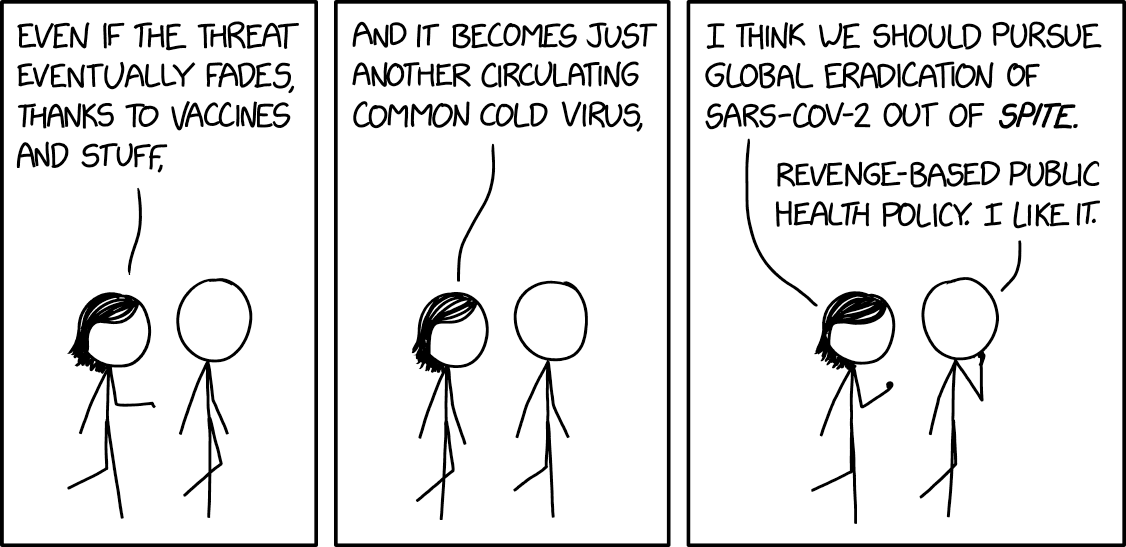
Take for example comics like XKCD or the very famous meme goldmine that is Dinosaur comics, all you need is a good story, and you can carve yourself a wonderful space in the world of comics. You don’t even need much of an investment. Thanks to the digital age, we have a mix of comics and the internet, in webcomics. And with the need for people to showcase their work without having to pay for their own website (although you should definitely host your comic on your own website) we now have platforms such as Tappas.io and Webtoons that allow you to publish your webcomics and even make some money off them through ads.
The possibilities right now are endless for the up-and-coming comic creators. However all this is not to say that just because you decide to make a comic today, you will start earning a butt load of money right off the bat, no that takes time, discipline, hard work, and lots of patience.
With all this in mind, here are some tips to get you started on your comic journey:
1- Read, Read, Read
Every good writer was first a reader, and so it is with comics. Every good comics creator was first a comic fan. I know how hard it can be tough to want to dive into the plethora of comics in the comics universe. Where do you start? Do you go with Marvel? DC? Or do you go deeper and do something more underground like DarkHorse, Image, or IDW? What about Indie Comics? What are some of the good ones? Or even, the even more expansive world of webcomics? Where do you even begin?
Well, I don’t have the answer but I can point you in a couple of good directions.
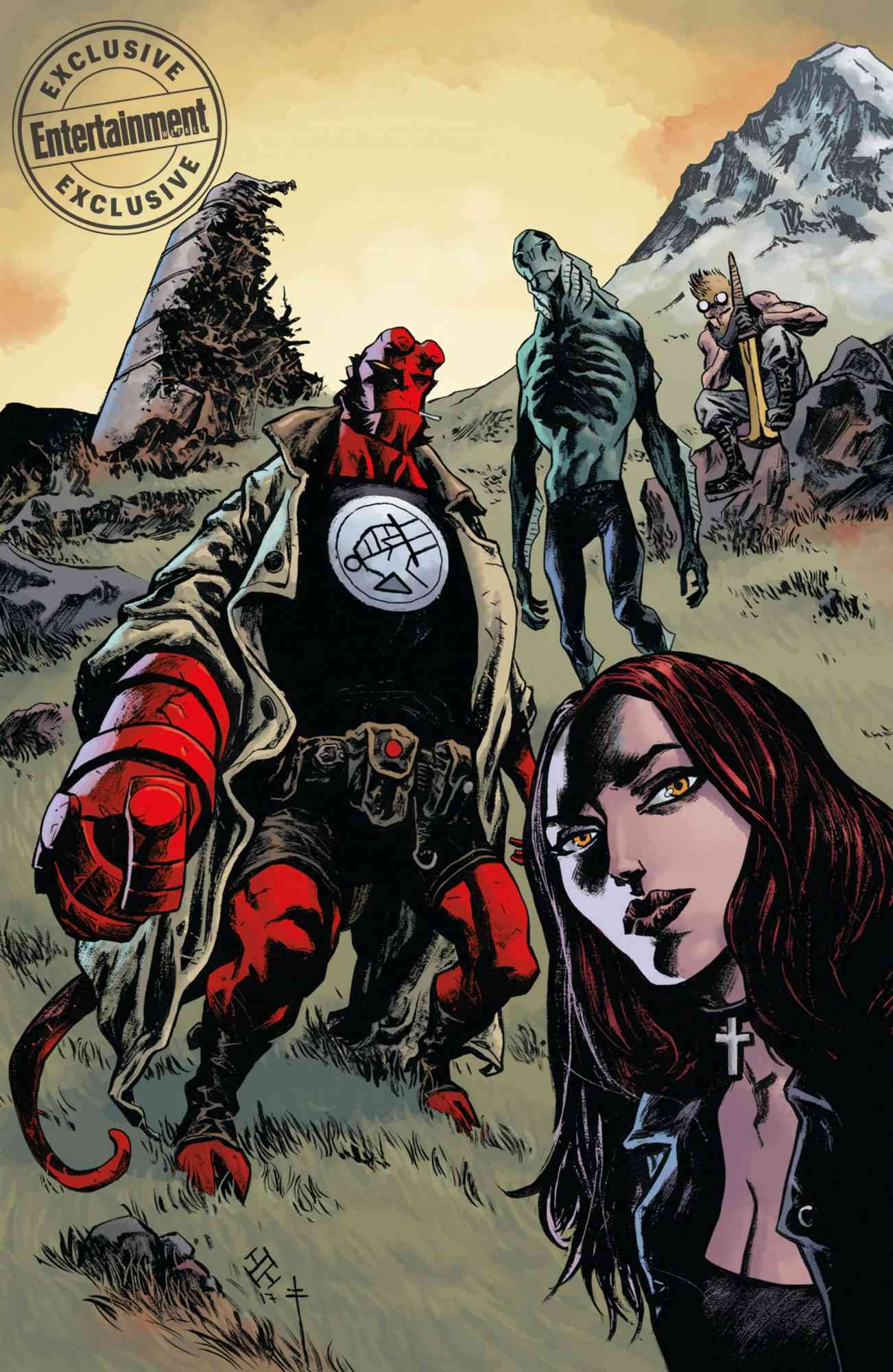
If you’re looking for a good, dark-themed, sci-fi adventure with a clever protagonist and beautiful art style, do yourself a favor and get a dose of Mike Mignola’s Hellboy or the equally awesome, B.P.R.D. one you get yourself nice and acquainted with the hellish world of Mignola, maybe do a bit of Abe Sapien.
If you’re more into the superhero world, then I got two really good recommendations if you’re into quirky protagonists with clever dialogue and punchlines, and of course, tons of 4th wall-breaking, do a bit of Deadpool. Deadpool’s been around for a while, so there’s a ton of material for you to enjoy, and the great thing is that since Deadpool has been this wacky anti-hero for pretty much his entire run, pretty much any book from Deadpool will be a good book.

If you like magic, then go Doctor Strange, that man is bae! I love Stephen Strange and his mystical world of spirituality, magic, and the dark arts. Amazing intricate stories coupled with beautiful art, and fantastic supporting characters as well as villains. One of my favorite runs from Doctor Strange is the one where he battles the devil for control of Las Vegas. Amazing book with awesome guest appearances.
On the DC side, I think you can’t go wrong with Suicide Squad or The New Teen Titans (with Lobo’s daughter and the Djinn character) really good art style, great storylines, and pretty cool and interesting characters. Sadly I don’t really read a lot of Batman, but if there’s one book I don’t think anyone should miss is, of course, the classic “Killer Joke”.
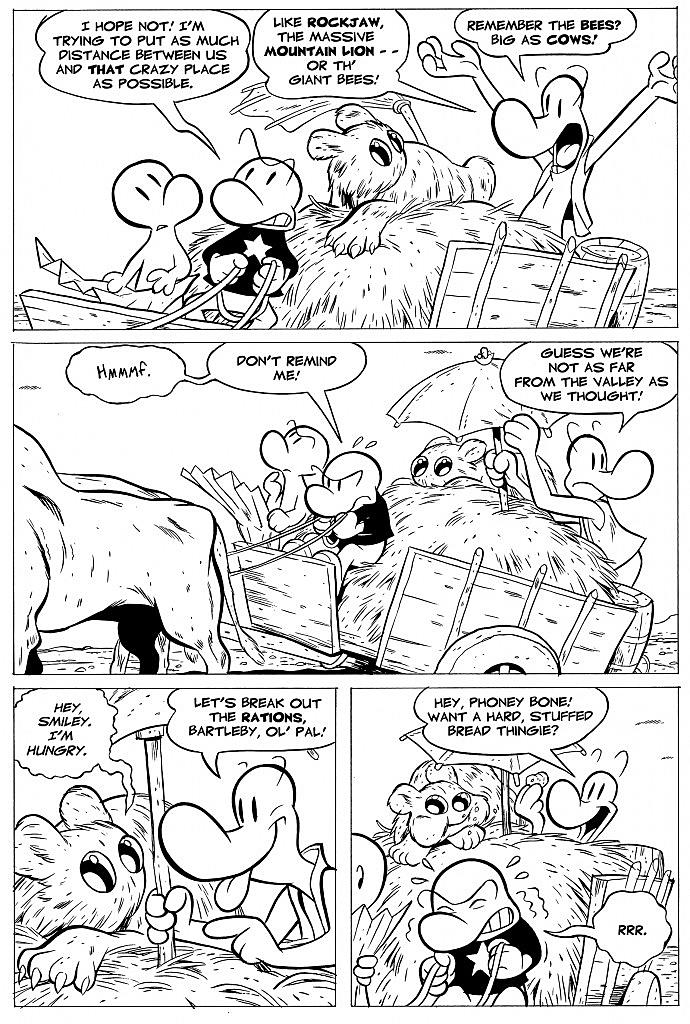
If you want to go even deeper into the comic’s world, then you can pick up a copy of Bone by Jeff Smith or RASL although be warned if you have an issue that I’m missing there will be blood! Both of these books are my favorite books ever in the comic world. Their beautiful black and white panels are a masterpiece, and with the length of Bone, you will be entertained for quite a long time.
Then we have some really cool old-school and quirkier mentions. Like Sergio Aragones’ work, Groo features a below-the-standard IQ scale Caveman and his crazy antics. Or pick up the amazing work of Stan Sakai in any of his issues of Usagi Yojimbo, the wandering ronin. This comic always brings me to join, and I honestly can’t tell you which is better, the Usagi’s in Space or the original feudal Japan issues. Either way, this is a must-read.
I could go on for days but for the sake of brevity let’s jump into a couple of really awesome titles from the webcomic world.
First, we have my favorite zombie comic out there, deadwinter.cc, a story of post-apocalyptic friendship. The beautiful art style features chapter intro animations that are a delight to look at, wonderful writing, and honestly a cast of characters that rivals the likes of Jesse Eisenberg and the rest in Zombie Land.
Next, we go with Riceboy, this is probably the best use of art I’ve ever seen in any webcomic to this day, amazing landscapes, hundreds and hundreds of pages of pure action, amazing backstories, and fantastical creatures worthy of comparison to Lord of the Rings. Beautiful comic.
For the third set of webcomics, I want to shout out the amazing folks over at PVPonline, TableTitans, PennyArcade, Sheldon, and Evil Inc. Each comic has its own very special brand of humor, and the art can often turn into very intricate detailed pieces of cartoon work. They are worth a read in any medium. PVP I still read in issue format, and there are tons of collections and books being offered for Evil Inc and Sheldon.
Read all of those and you will be able to know at the very least what a great comic book feels like. now I am not saying that these are the only good comics out there, but these are by far my favorites to this date, and I read a lot of comics let me tell you. So I can say without a doubt that a healthy dose of comic goodness will not only satisfy you but will develop in you the inklings of what a good story should be like and how it can be presented in order to successfully create a compelling world readers want to dive into.
2- Script your Story
You have been equipped with the knowledge of what a good comic is supposed to be, and you have that all now in your mind, but that does not mean that you should start drawing, no, no, no baby boy.
There is still much you must do before you can put pencil to paper.
Before we start thinking in terms of characters and environment designs, we need to know what sort of story we are going to tell, who are protagonists will be, and how everything unfolds. For this, I suggest the following method:
– Write a 1 sentence description of your story
– Write a 3 arc summary of your story (beginning, Middle, and End)
– Determine your characters
– Determine your Environment
– Plan out Plot Points and Twists
– Refine your Story
– Begin drawing
The way this method works is as pretty much like learning to walk. First, we just write a short sentence on what we want to write about. It can be a specific genre, a zombie-horror comedy coming-of-age story. It can be the general premise of the story, a teddy bear comes alive and terrorizes a town. It can even be a random collection of words, clown mafia heist.
This will narrow down your story to the essence of what it should be. This doesn’t mean that it won’t become anything other than that, but at the very least now you have a direction to go towards and you can start finessing your stories even further. Let’s move on to the second step, and develop a 3 arc story based on the premise of a teddy bear that comes alive to terrorize a town.
Well, the beginning of the story could be how and why the teddy bear has come alive, or if you’re feeling more risque we can write it in-media res, and have the teddy bear already terrorizing the town. The middle would then be something that gives substance to our characters, let’s say the teddy bear belongs to a little girl that was bullied a lot, eventually, a bully tore apart her favorite teddy bear and in an attempt to fix him, the little girl accidentally poured a radioactive chemical that brought the bear to live, exploding her house and herself in the process, the newly alive teddy bear only remembers the abuse the little girl suffered and seeing her dead in the explosion can only blame her abusers, this gives our teddy bear character a back story, a mission and a purpose to terrorize the town. Then we have the ending, with the teddy bear coming close to destroying the town, he finds one of her bullies has a teddy bear of their own, and seeing him scared and helpless just like her now dead owner, understands that now he has turned into the bully he so desperately wanted to destroy, and decided to spare the life of the bully and instead helps rebuild the town (If you don’t want to go that route, you can also have them not care at all, kill the bully and go on to another town to repeat the terror spree throughout the world.) Whatever road you decide, you need to have a beginning where you introduce your characters and you make us care about them, a middle where you develop their back story and tie us deeper into their personal narratives, and an ending where some interpersonal issue within your character and the world they inhabited is resolved or at the very least transmuted into something either entirely different or a bigger threat altogether.
Now we know what’s supposed to happen, and we have a better understanding of how our players are supposed to be. For example in our example story, we have; the little girl, the teddy bear, and the bullies. As for our environment with now have at the very least 3 set pieces, the house where she will do her experiment, the town that will be terrorized, and perhaps a school where we can find the bullies.
Next, we add our plot points and our twists. You can do this in a bulleted point format just so you can keep track of each significant point in your story.
- The little girl receives a toy
- little girl gets bullied
- toy breaks
- the little girl tries to repair it
- explosion happens
- toy springs to life
- little girl dies
- toy vows to find and kill bullies
- the bully gets attacked by the toy
- toys’ anger grows further
- bullies left and right fall down
- toy gets enraged
- finds his last victim
- realizes that he has become the bully
- decides to help rebuild the town and spare the bully
- all is well, he lets go of the little girl
You can add as many points and twists and turns as you want but keeping it all in a bulleted list as you continue to refind each individual story point will help you carry a more unified narrative throughout the whole of your book without falling pray to being too detailed about one part of your story and glazing over the rest of it. This way you are able to craft a more unified story, that is both readable, easily digestible, and easy to follow.
At this point we refine our story, making sure that everything fits in. When we are happy with how our story unfolds then we being drawing, we can do this based on the things we have in our script. Some details you will have vivid imagery of, while others you will have to take even further time crafting, for this we will use a Character Sheet as well as an Environment Sheet.
3- Create Character and Environment Sheets

A Character Sheet is a document, it can be digital or it can be a physical copy usually used during the production of an animation or comic to chronicle the details that a specific character can have. This can range from sheets created showing how a character looks in different angles, to more specific sheets like the different character expressions or the different types of clothes they could wear.
An Environment Sheet, similar to a character sheet records the details of an object, however instead of characters it will record the details of a specific place or several places.
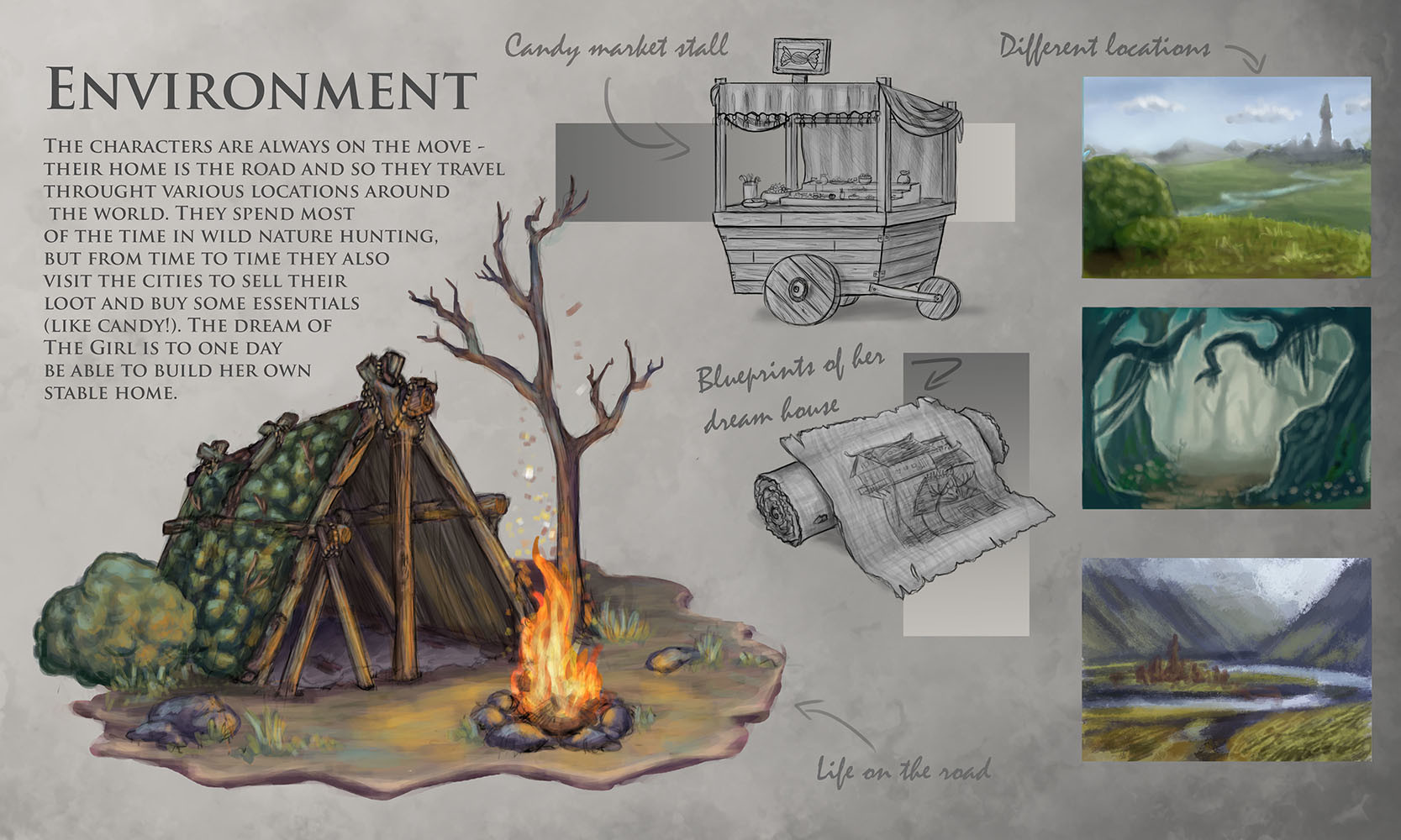
The benefit of both of these documents is invaluable to the creation of your next comic. This is because they will help you solve problems that will come up while you are drawing out your comic. Problems like: “How do I draw this angle?”, “Where exactly is my character located right now and what is around them?”, “How would this character look in order to represent an excited emotion?”
By having these documents close at hand you will be much more prepared to tackle your story and the art needs it will present.

Another great benefit of these documents is that you require an elaborate amount of knowledge to create them, this means that you will have to dedicate yourself to thinking about every little nook and cranny required to effectively create a sheet that serves the purpose of informing you when it’s time to draw a complicated pose or put your characters in a complicated location.
4- Set a Color Guide (mood board)
A Color guide or a mood board, is another document (it can be a Pinterest board) that uses similar styled images and compiles them into one place for you to look at. You can use this mood board to determine the overall color scheme of your comic, the different moods you want to represent with it, the art style you are looking to present, and even specific things like references for different types of props or objects in your scene.

There are many different types of ways to create a mood board, the first one dates back to the magazine era when you could cut out a bunch of things from magazines, glue them to a board and call it a day, but nowadays much fewer people buy, or even have magazines, so instead, you can use your home printer, print out a couple of images you like from the web and make your board. However, if you want to be a bit more eco-friendly; you can get with the times and set up a Pinterest account and start putting up your favorite images on their respective boards. The cool part about Pinterest is that it allows you to not only store your images but also share them and by adding them to your cleverly titled boards, you are helping the algorithm show those images to even more people when they are searching for them. Or sure, you can be bored and set up a new folder on your desktop, call it, “mood board” and drag stuff into it, but that way you’ll be downloading tons of images, that will occupy space in your computer. Whatever method you choose, once you have made a mood board or a color guide for your next story, you will be ready to start drawing your first pages.
5- Share your progress
I encourage you to share your progress, there are tons of dedicated communities for comic creators out there. Whether you are making a webcomic or you are making a print comic book, sharing your progress with the right people, and telling them about your plans will not only motivate you but will also help you create your first community.
If you truly want to succeed as a comic creator, or any creator for that matter, then the cart should come first always, only second should come community building. By creating a community of like-minded individuals that enjoy your work and want to see more of it, you are also creating an audience. A group of people eager to help you reach your next milestone, pursue your passion even further, and even pay money to see you achieve your goals. It is important that you create a two-way street, they should never feel like you are stealing from them, or taking advantage of them, or that you are asking too much of them. You can make sure of this by always bringing value to your audience, through it you will further connect with them, help them grow alongside you, and establish a bond that can last for a long time. They are not your customers, they are your supporters and you should support them back too.
So with this in mind, I hope you have a better idea of what it takes to start making your first comic, and I very much look forward to seeing it. Feel free to post it as a comment down below, I’m excited to see what you make.
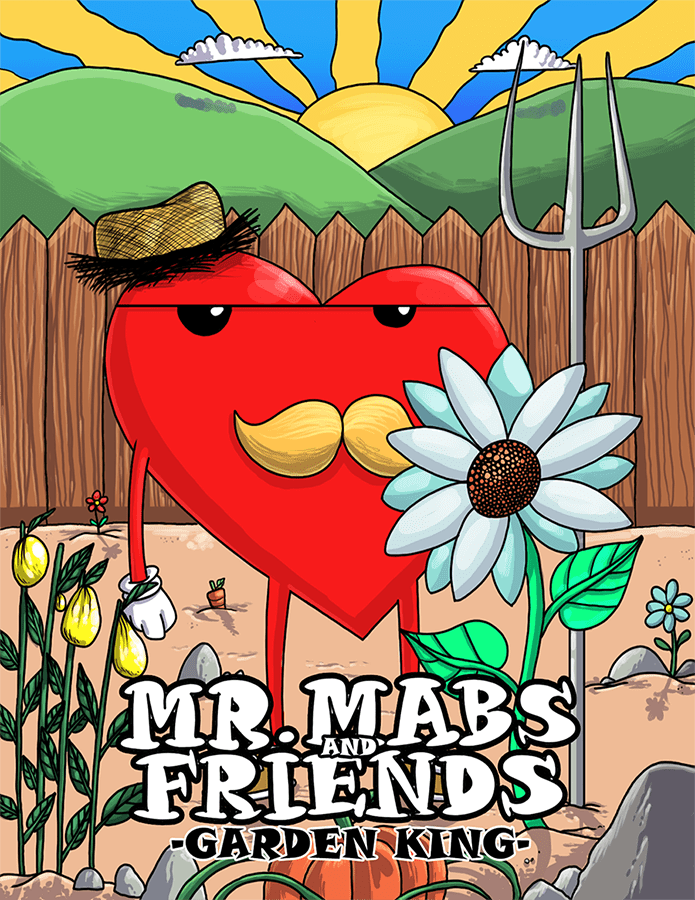
Speaking of making comics, I just released my latest mini-comic, Mr.Mabs & Friends – Garden King over on Drivethrucomics.com, and you can read it today as a pdf for just .50 cents, it’s a quick story about plants, growth, and inner wisdom.
My newsletter just got this mini-comic for free in their mailbox a couple of days ago, so if you’d like to be in on that for future minicomics, check out this link and sign up today.

 MabsArts